



Cypress Tree Screen
The "Cypress Screen" is a traditional Japanese artwork, painted from the late 16th to early 17th centuries. The screen was created by the famous Japanese painter Kano Yongde. Kano Yongde was a famous painter in the Warring States Period in Japan and was famous for his unique painting style and superb skills. There are several tall cypress trees painted on the screen. The trunks and branches and leaves are all made of delicate brush strokes and thick and light ink colors, vividly showing the upright and vigorous cypress trees. The screen background is dominated by gold, creating a solemn and elegant atmosphere. Cypress is a symbol of longevity and tenacity in Japanese culture.

Cypress Screen (Wild Yongde)
Cypress Screen is a screen painting created by the famous painter Kano Yongde (1543-1590) in the Antu Taoshan period in Japan. Screen painting was originally one of a pair of large screens in Antu City, a landscape painting composed of cypress trees (I. e. cypress trees).

Musashino Six Screens
This is a six-fan screen depicting the Musashino region of Japan, and they usually appear in pairs. The screen may display a beautiful natural landscape and rich cultural elements.

Japanese Screen - Xiangyun
Also known as "screen painting" or "screen", it is an important form of traditional Japanese art. Originating in China, it later spread to Japan and gradually developed a unique Japanese style. It is usually composed of multiple connected screens that can be folded and unfolded for easy carrying and storage. The materials of screens are diverse, including paper, silk, wood, etc. They are often painted with patterns of mountains, rivers, flowers, birds, and figures, reflecting Japan's natural scenery and cultural characteristics. Although the practicality of screens has weakened, their artistic and decorative qualities are still loved by people.

Japanese Screen - Flower Butterfly
Also known as "screen painting" or "screen", it is an important form of traditional Japanese art. Originating in China, it later spread to Japan and gradually developed a unique Japanese style. It is usually composed of multiple connected screens that can be folded and unfolded for easy carrying and storage. The materials of screens are diverse, including paper, silk, wood, etc. They are often painted with patterns of mountains, rivers, flowers, birds, and figures, reflecting Japan's natural scenery and cultural characteristics. Although the practicality of screens has weakened, their artistic and decorative qualities are still loved by people.
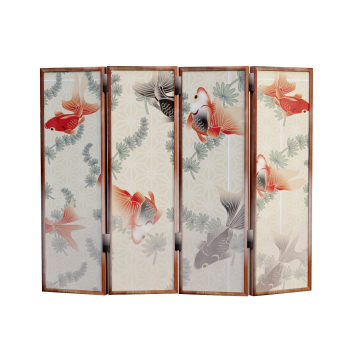
Japanese Screen - Goldfish
Also known as "screen painting" or "screen", it is an important form of traditional Japanese art. Originating in China, it later spread to Japan and gradually developed a unique Japanese style. It is usually composed of multiple connected screens that can be folded and unfolded for easy carrying and storage. The materials of screens are diverse, including paper, silk, wood, etc. They are often painted with patterns of mountains, rivers, flowers, birds, and figures, reflecting Japan's natural scenery and cultural characteristics. Although the practicality of screens has weakened, their artistic and decorative qualities are still loved by people.
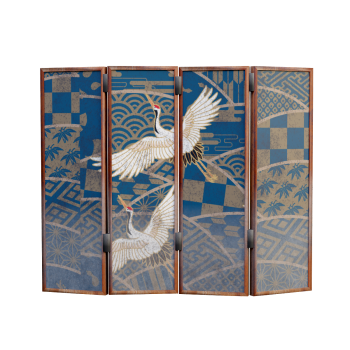
Japanese Screen - Red crowned Crane
Also known as "screen painting" or "screen", it is an important form of traditional Japanese art. Originating in China, it later spread to Japan and gradually developed a unique Japanese style. It is usually composed of multiple connected screens that can be folded and unfolded for easy carrying and storage. The materials of screens are diverse, including paper, silk, wood, etc. They are often painted with patterns of mountains, rivers, flowers, birds, and figures, reflecting Japan's natural scenery and cultural characteristics. Although the practicality of screens has weakened, their artistic and decorative qualities are still loved by people.
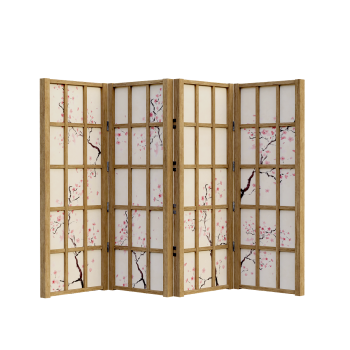
Japanese cherry blossom pattern solid wood screen
It is an interior decoration that combines traditional craftsmanship and natural aesthetics. Usually made of carefully selected solid wood materials, the surface is painted with exquisite cherry blossom patterns. As Japan's national flower, cherry blossoms symbolize beauty, transience, and rebirth. Solid wood screens not only have high ornamental value, but also have the functions of separating spaces, providing privacy, and decorating interiors. Design often combines traditional Japanese art styles with modern design concepts, giving it both classical charm and modernity.

The Japanese landscape painting "The Waves of Matsushima" by Oiya Zongda printed and dyed screen

Popular Models
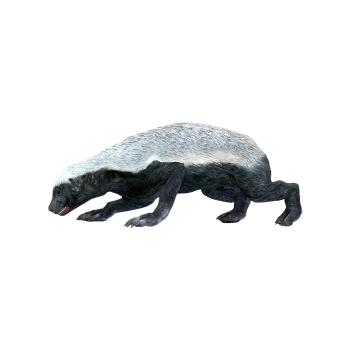
Honey Badger (3D animated model)
192 View
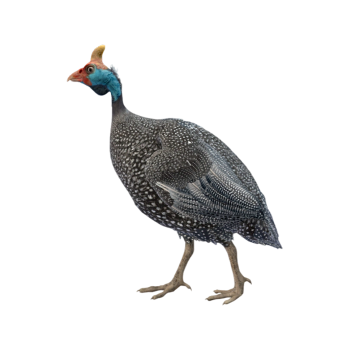
Guinea fowl (3D animated model)
163 View

Wild Goose (3D animated model)
185 View
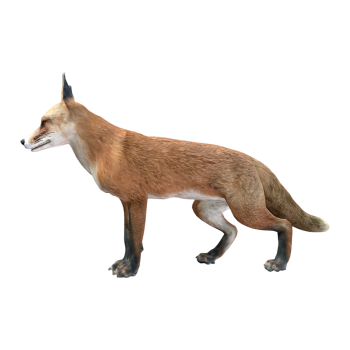
Red Fox (3D animated model)
153 View
Random Model


Panasonic RC 6088 AM Radio
800 View

supersonic fighter
582 View


Furtalm Alpine Ranch
1196 View
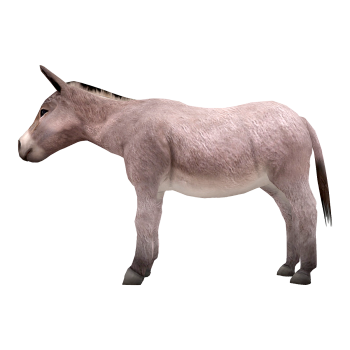
Donkey
867 View